
Roland DürreFriday April 15th, 2011
Report of IF-Forum Mensch&Management
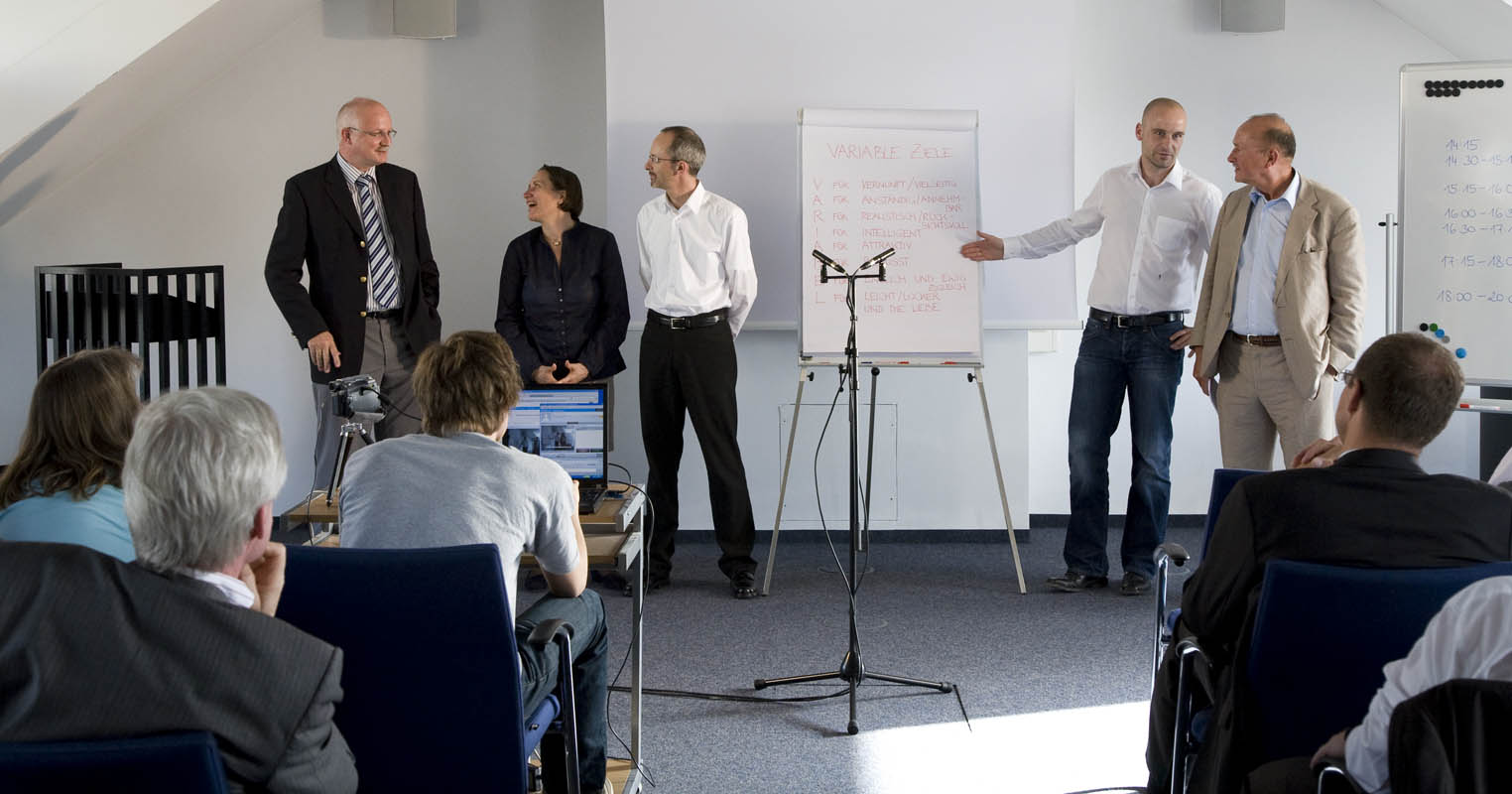 Our technological IF forum on April, 11th, 2011 on “humans&management” was a really nice success. I received comments that made me blush.
Today, I wish to thank all the speakers, supporters, visitors both at our office building and on the internet and sympathizers.
Claudia Toth made the report of the workshop publicly available in IF-OPEN (the corporate blog of InterFace AG). In this report, you will also find all the presentations and manuscripts of the speakers for downloading or as a link.
Only the videos are still missing. As soon as they are available, they will be put there, as well.
RMD
(Translated by EG)
P.S.
The picture was taken by Rolo Zollner, and so were all the other pictures in the report.
Roland DürreThursday April 14th, 2011
Speed Limit and Fast Cars
Here is yet another afterthought on my travels to the South Sea
 On the South Sea Islands I visited, the cars drove rather slowly. Like here on Samoa. In some way of other, cars play a different role in the lives of people from what we are used to.
Basically, it would not make sense there for cars to speed up, anyway. All you would achieve is frighten people and molest them even more.
Later, on our travels to Hawaii (USA) the cars also drove rather slowly.
Roland Dürre
Tweets on Twittering and Blogging #060
Here are my tweets of last week (this is my personal jubilee – it is the 50ieth week!) on
Blogging and Twitter, Wisdoms and Rules:
110505 Pride goes before the fall – also true for twitterers and bloggers. #Twitter #Blogging #Wisdom
110506 Hoping and waiting makes fools of some of us – also true for twitterers and bloggers. #Twitter #Blogging #Wisdom
110507 A nice word here and a smile there can have a lot of effect, yet they cost little – also true for twitterers and bloggers. #Twitter #Blogging #Wisdom
110508 Listen a lot and talk little – difficult, also for twitteres and bloggers. #Twitter #Blogging #Wisdom
110509 Hearsay is partly lied – also true for twittering and blogging. #Twitter #Blogging #Wisdom
110510 Hungry stomach will sing a poor Alto – also true for twitterers and bloggers. #Twitter #Blogging #Wisdom
110511 Even using all my senses, I cannot escape from myself – this might easily have been said by a blogger. #Twitter #Blogging #Wisdom
There is a new tweet each day. See Twitter and “follow” RolandDuerre!
Enjoy!
RMD
P.S.
I took the proverbs from Alle deutsche Sprichwörter.
Roland DürreWednesday April 13th, 2011
Entrepreneurial Strategy: Bad Goals – Bad Strategy
Here is the presentation I gave at the IF forum Humans&Management on April, 11th, 2011, at the InterFace AG in Unterhaching
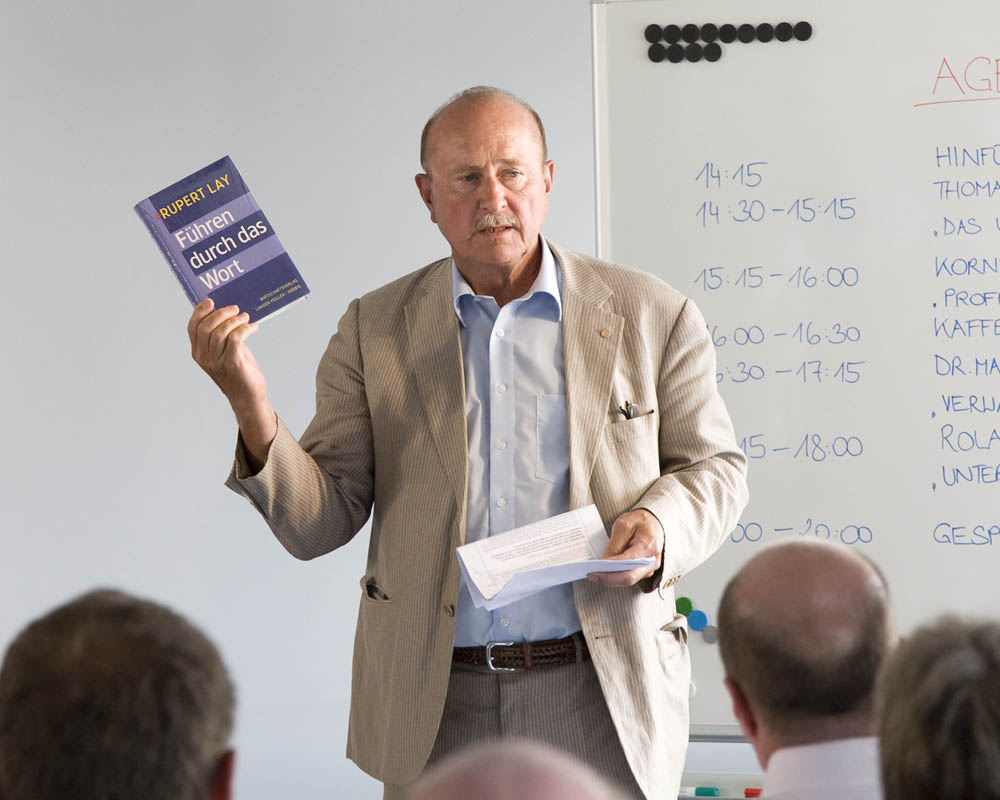 You can also find quite a few parts of my presentation in my presentation “Still Waiting To Be Read” (Vortrag). Here is an overview containing the ideas adapted from this presentation, with two added topics.
I started by asking:
So what is the motivation and the purpose of defining goals and developing strategies?
The answer came from the audience:
You set goals and develop strategies in order to be economically successful.
Well, my answer is also: success. However, I will refrain from adding the word economically, because I know that for most of the people, the term “success” is not restricted to the economical dimension.
After that, I made fun of a few goals (see link link to the “presentation waiting to be delivered”). And I also tried to show how hard (probably impossible) it is to lead if you use the method “set goals, develop strategies, implement operationally”.
Moreover, I pointed out that goals defined by material gain are bad goals. Most entrepreneurs and managers know this. Consequently, there is often a certain kind of helplessness when goals are to be determined and a strategy is to be developed.
But that is irrelevant. Because there is one strategic goal that makes sense and is of real entrepreneurial quality:
The culture of an enterprise!
Thus, the main strategic goal should be to create, maintain and promote an enterprise culture that complements the enterprise. It should have the following or similar characteristics:
- Not inimical (friendly towards humans);
- Giving meaning;
- Based on trust and values;
- Born of the wish not to make persons small and un-free;
- Striving for attributes, such as clear, transparent and fair;
- In accordance with the general welfare;
- Supportive of the development of the life of its employees and stake-holders in many dimensions and
- Equipped with the potential to develop with responsibility.
The entrepreneurial culture is your primary goal. It is important and a challenge. Goals like a stable business development, a healthy profit, growth, because it is fun, etc are secondary goals that should be self-evident.
In my opinion, goals such as “becoming the leader on the market” and the like are unhealthy goals.
And in my book, planning a certain number (we want to sell three million pieces) are operative goals. They have nothing to do with strategy.
Towards the end, I extended this longer part of my presentation by two ideas/questions that are important to me personally:
1) How can I make (almost) all of the people involved in the enterprise play the part of “p” (p for partner)?
and
2) People and teams can often be exploited to the limits. When is it permitted to make use of this fact?
Thinking in terms of “p” and foregoing unnecessary extra pressure on people are additional important goals for developing a future-oriented enterprise culture.
Firstly: “p” for partner
The game theory always tries to come up with games that show that “p” games mean more success for all parties concerned (like in the prisoners’ dilemma). Once in a while, philosophy tries to get pragmatic, taking up ideas from game theory. Game theory itself would certainly like moving inside the circles of operational research. As far as that is concerned, there is even a “scientific” reasoning in favour of p-games.
But how does it work?
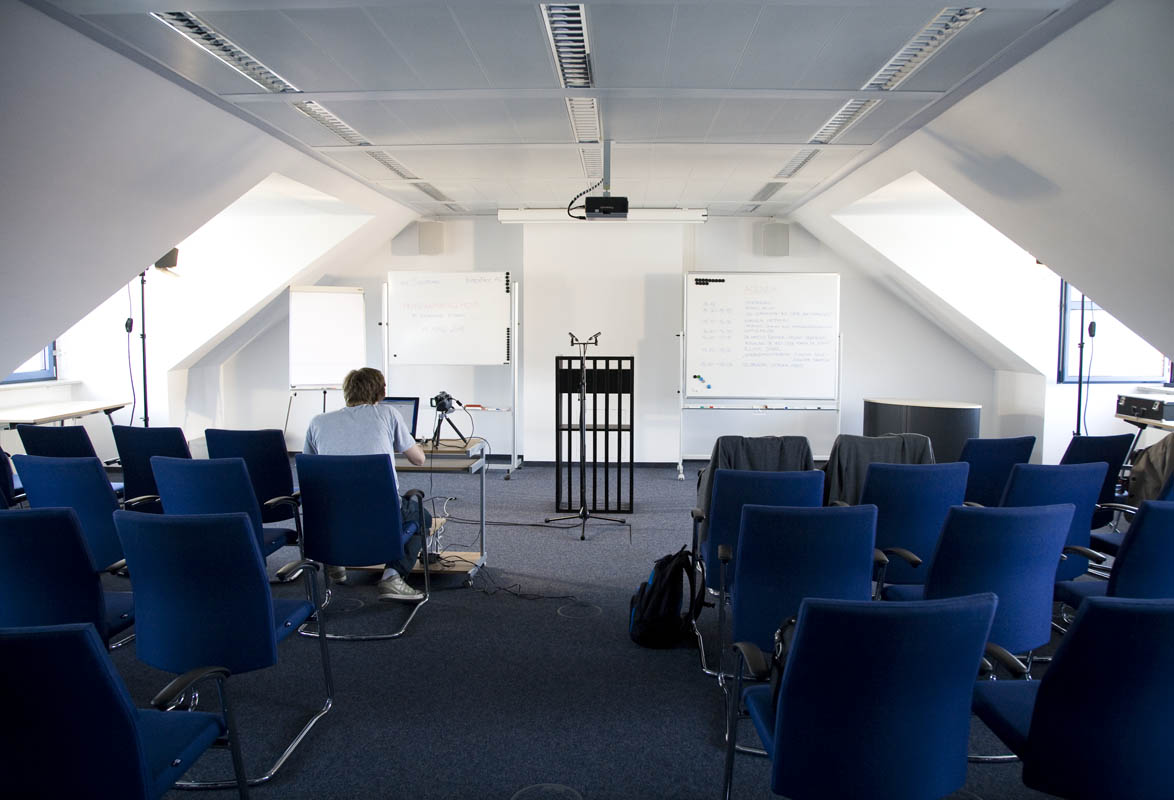
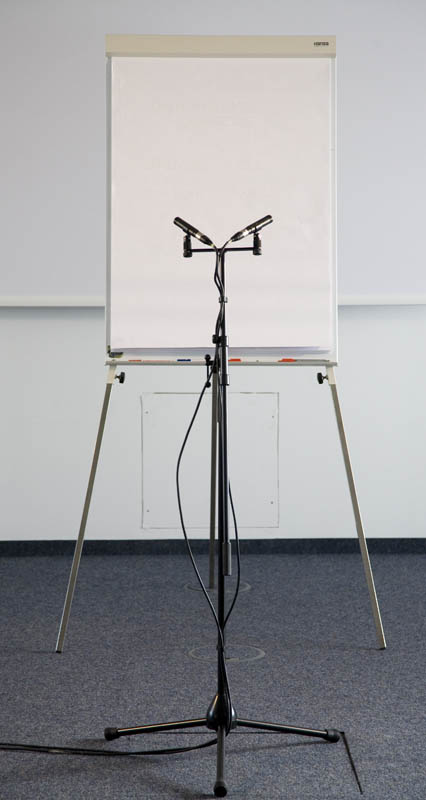
Preparations for a live broadcast
Talking about payment, I would imagine that a “fair” share of the total success of the entire enterprise is probably useful. To be sure, this goal also has the general weaknesses of all material goal concepts. But at least it might counterbalance the s-game of some individuals a little.
There will probably always be hierarchies. I do not know if they are really necessary. Yet the hierarchies should be based on “responsibility”, rather than on “superiority”! And the positioning inside the hierarchy should not happen for arbitrarily for tactical/technological reasons. Instead, it should perhaps be automatically determined by the competence and social standing of a person.
If there are (have to be?) hierarchies, then they should be part of a cultural system of subsidiarity. And that is something you cannot combine with material rewards. What we are talking here is a reasonable delegation of responsibility (in the sense of handing over) and clear rules that reduce reign by hierarchies.
An important factor is the integration of as many people as possible (all of them), especially when “strategic” questions are discussed, as well as when you need support for implementing the culture. And you also need the readiness of all to play an active role in the daily decision-making process.
The basic requirements for p-games are collaboration at eye-level and agile cooperation with a common, reasonable goal.
An enterprise culture oriented towards “we all play p” is an important strategic sub-goal.
Secondly: the ability to work under pressure!
As I see it, people can be driven to the limit rather ruthlessly. And they are also often faithful in their social relationships way beyond what is reasonable. How long do some partners stick to an unhappy relationship or marriage? How long will a slave be faithful towards his master? The same is true for teams and bigger communities. How much injustice and suffering are necessary before a nation will protest against their dictator? Or what about soldiers who fight for an unjust cause for many years?
 The reason for this is probably quite simple: humans are social creatures. They feel comfortable in the community they belong to. It seems to be the basic fear of humans to be ostracized. Even an embryo knows the fear of being thrown out or being aborted. It really seems that humans are actually prepared to endure a lot, just in order not to have to leave the environment they are used to.
Working in an enterprise is something very important for humans. It is not just the income. No: the social home they find at work has a high value. Consequently, they are prepared to endure a lot (all), just in order to be permitted to stay and not to loose the comfortable social feeling of being part of a team at work.
The German economy is said to have “more potential” than ever. At the same time, “every other employee in Germany has resigned from the job emotionally”. The thesis is supported by this item of news. I read it just recently.
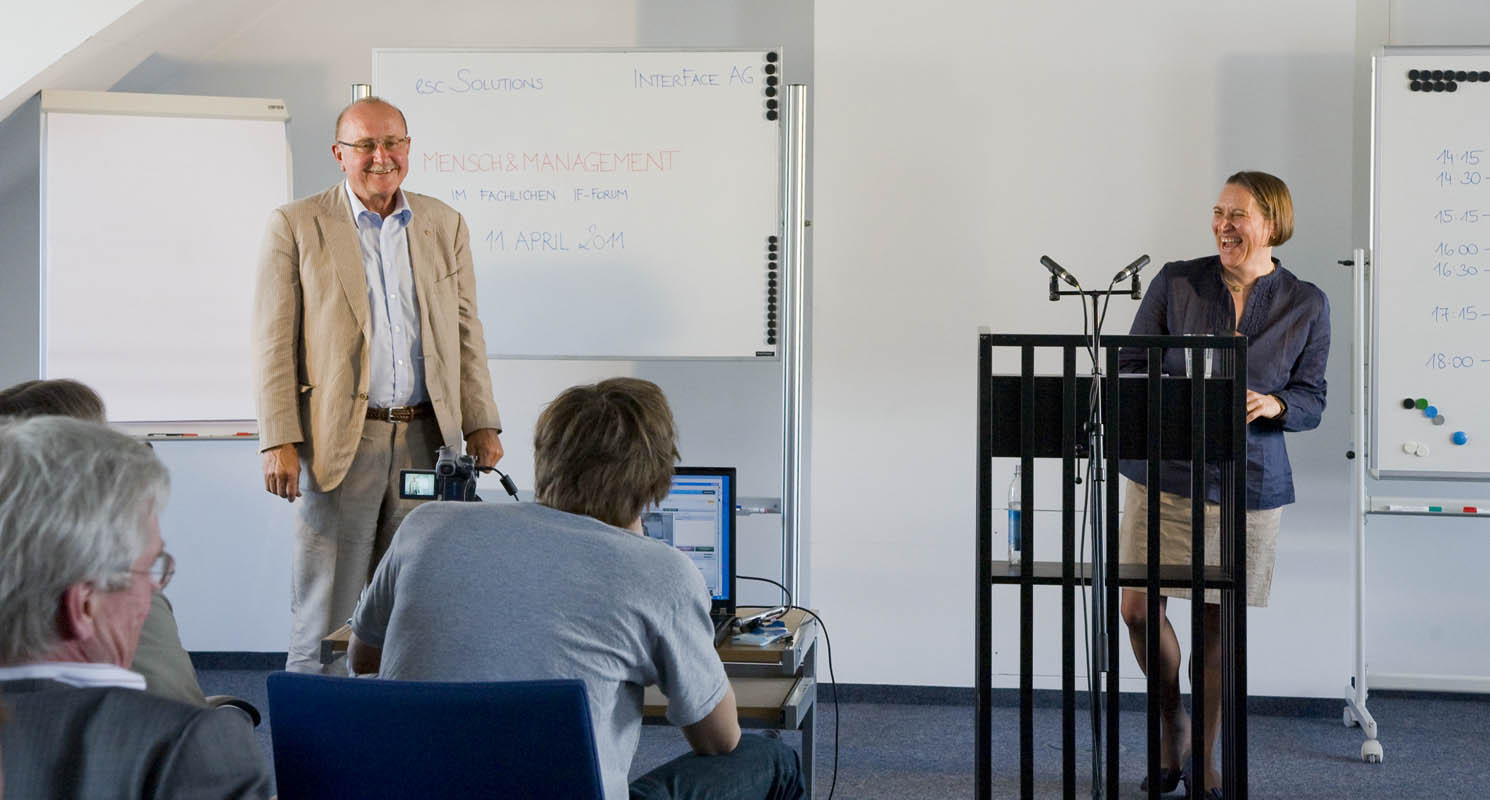 An entrepreneur or manager wants to and has to achieve what he wanted to. Some of them do it the “tough” way. Knowing full well that his team will endure a lot, he consciously or subconsciously takes advantage of the fact in order to reach his goals.
If the goals get harder, the pressure on the team will increase. Managers who use the simple strategy of exploiting the endurance of a team or of people in order to be a success are often very successful (even in the long run). Their reputation gets better and better. Until one day they fail – but even that is not necessarily going to happen.
In my opinion, it should be an explicit goal of leaders to take as little advantage s possible of the endurance potential of their team. As a strategy, it should be only the “ultima ratio”, in case the enterprise is actually threatened. And there is no enterprise that does not suffer a crisis at one time or other, no matter if the reasons are external or internal.
 That will be the time when you are happy that you have some reserve energy to fall back on – such as the ability of people in the enterprise to work under pressure. And when real solidarity is possible.
I know firms where it was possible to reduce the incomes of the employees by half during a time of crisis. They would never have gotten away with it if they had exploited the reserves of what people will endure before that time, just in order to reach their goals.
I know firms that did just that. They kept pushing their employees and teams to the limits of what they could do for years. When the time of essential crisis came, these employees turned stubborn. They showed not the slightest inclination towards compromising and only waited for and insisted on their financial settlements (as a sort of compensation).
So you can see: not exploiting the social dependency and goodwill of people and teams might also be an important strategic sub-goal if you want to generate an entrepreneurial culture.
Well, it seems like we found two “good” goals, after all.
RMD
(Translated by EG)
Roland DürreTuesday April 12th, 2011
Double Master Tyll Owlglass (Corrected Munchhausen)
 At the beginning of the crisis, states were in danger of going bankrupt because they had dept claims against states the security for which was worthless. Afterwards, the states guaranteed for the banks where they were indebted with more money. They had acquired the money by indebting themselves yet again.
Someone fell into the swamp and was going to drown. Then he took his own hair and tried to pull himself out by it. Well, it is something the even Baron of Munchhausen (of course, it was not Master Tyll Owlglass) was not a success with – neither will it work with the states and their banks.
Consequently, the states were drawn even further down. By now, some of them are really deep into the mud. Shortly before drowning, however, they are now permitted to take a firm grip on those states that are not yet quite as deep in the mud and who courageously pulled at their own hair in order to get out of it.
I wonder how it all will end.
 There is no reason to get upset. After all, it is only the state finances in the Euro zone that are deep in the mud, not the states. And especially not the people living in those states. As a matter of facts, the people are mostly quite well off.
All that would be necessary is for them to live a little more adequately, forego their “display window capitalism” mentality and distribute their goods more fairly.
The damaged state finances can be healed – either by currency devaluation or currency reform. It has always been like that and I guess it is how it will always be in the future, as well.
Now if you say: that is no longer possible, the Euro is now protected, and then all I can say is:
In for a penny, in for a pound!
And is our national debt not also de facto irreversible?
RMD
(Translated by EG)
P.S.
The first picture is of the bronze statue of Master Tyll Owlglass on the Mölln town house square. It was taken on July, 28th, 2006, by Hans Weingartz.
The second (later) attachment is a portrait of Karl Friedrich Hieronymus Freiherr von Münchhausen, the lie baron, of 1752. It can be found in Wikipedia and was put there by G. Bruckner.
Roland DürreMonday April 11th, 2011
For Those Who Watch on the Internet
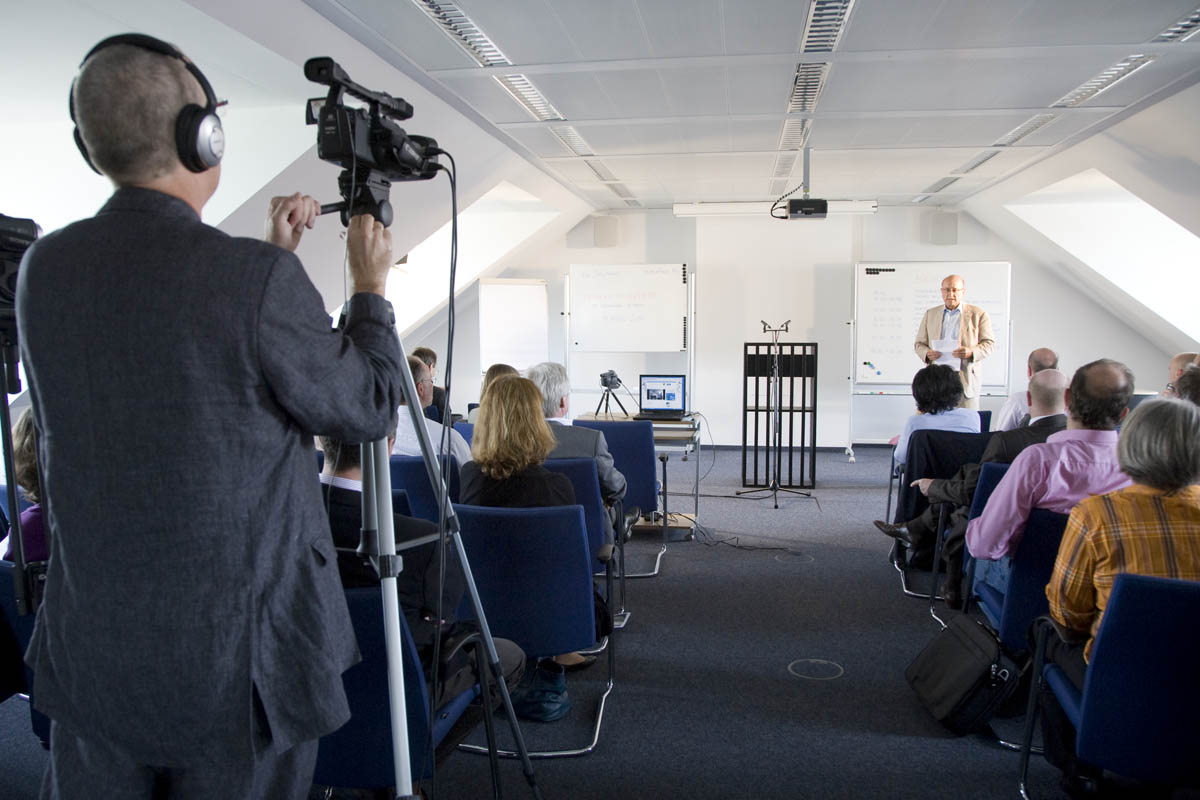
The next IF forum “Humans&Management” on April, 11th, 2011 will again be broadcast live on the internet. You can watch the four presentations of the event on Monday afternoon on a video stream from 1.45 p.m. directly on this window.
Here is the web address we are again using:
http://www.ustream.tv/channel/IF-Forum.
For further information, including the agenda and a short summary of all the presentations, click hier here.
You missed the live stream, or you want to see one of the other presentations again? No problem! We will make a video recording and later make it publicly available. For details, just look in here at your convenience.
RMD
(Translated by EG)
Roland Dürre
Diesel
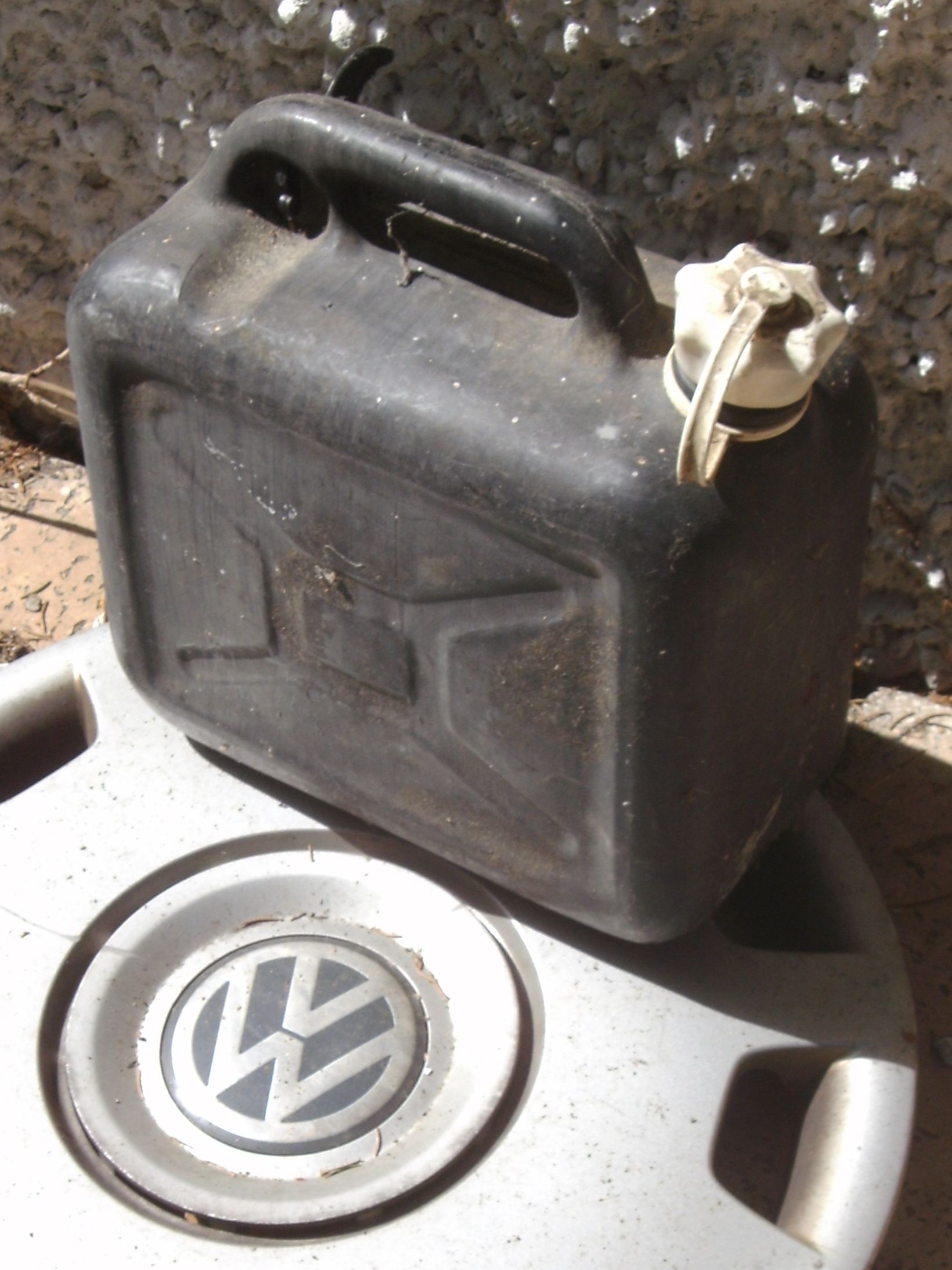 After they had reported about the nuclear, the Libya and the Euro catastrophes, the Süddeutschen finally wrote about the Diesel catastrophe this weekend.
What happened? For a change, the EU saw something that is correct. They now actually know that one litre of Diesel has a higher energy potential than one litre of petrol. With total logic, they decided that it is therefore basically wrong to calculate energy tax per litre (well, it is rather hard to measure gas or electricity in litres, anyway, isn’t it?).
At the same time, the EU discovered that petrol and Diesel are related and used for the same purpose. Consequently, what the EU now wants to do is put an equal tax rate on petrol and Diesel (which, incidentally, is something they should also do with kerosene for airplanes).
Roland DürreSunday April 10th, 2011
B-Weekly News #27 – IF-Forum Humans and Management Live On The Internet
Dear IF Blog readers,
today, the bi-weekly news have a very special purpose.
Tomorrow (today!), Monday, April, 11th, 2011, starting at 2 p.m., the second technological IF forum will be broadcast live into the internet from the seminar-zone of the InterFace office building at Unterhaching:
Humans & Management
2:15 Introduction
Section 1: People in an enterprise
2:30 – 3:15 Thomas Vallon: The enterprise as a place where you can unfold?
3:15 – 4:00 Kornelia Hietmann: Profiling: Simplify your personnel decision?
4:00 – 4:30 Coffee break
Section 2: Leadership and strategy
4:30 – 5:15 Dr. Marcus Raitner/Helmut Kiermeier: Are you still into administration, or are you already into leadership?
5:15 – 6:00 Roland Dürre: Entrepreneurial strategy – bad times – bad strategy
6:00 – 8:00 Discussions
For abstracts, please click on the announcement:
IF-Forum Mensch&Management am 11. APRIL 2011 bei InterFace in Unterhaching
or
https://www.interface-ag.com/open/ct/menschmanagement-im-fachlichen-if-forum-am-11-april/
We will broadcast the IF forum live on the internet, starting at 2.15 p.m.
or
http://www.interface-ag.com/open/rd/if-forum-menschmanagement-im-live-stream/
A few seats are still available. So you can still spontaneously decide to attend. Please call InterFace AG for last-minute bookings.
And, of course, I look forward to many people watching our live broadcast on the internet. Why not just take a quick look at one presentation and see if you like it?
Many thanks and best wishes for a beautiful spring season.
Roland Dürre
Roland DürreSaturday April 9th, 2011
Rupert Lay
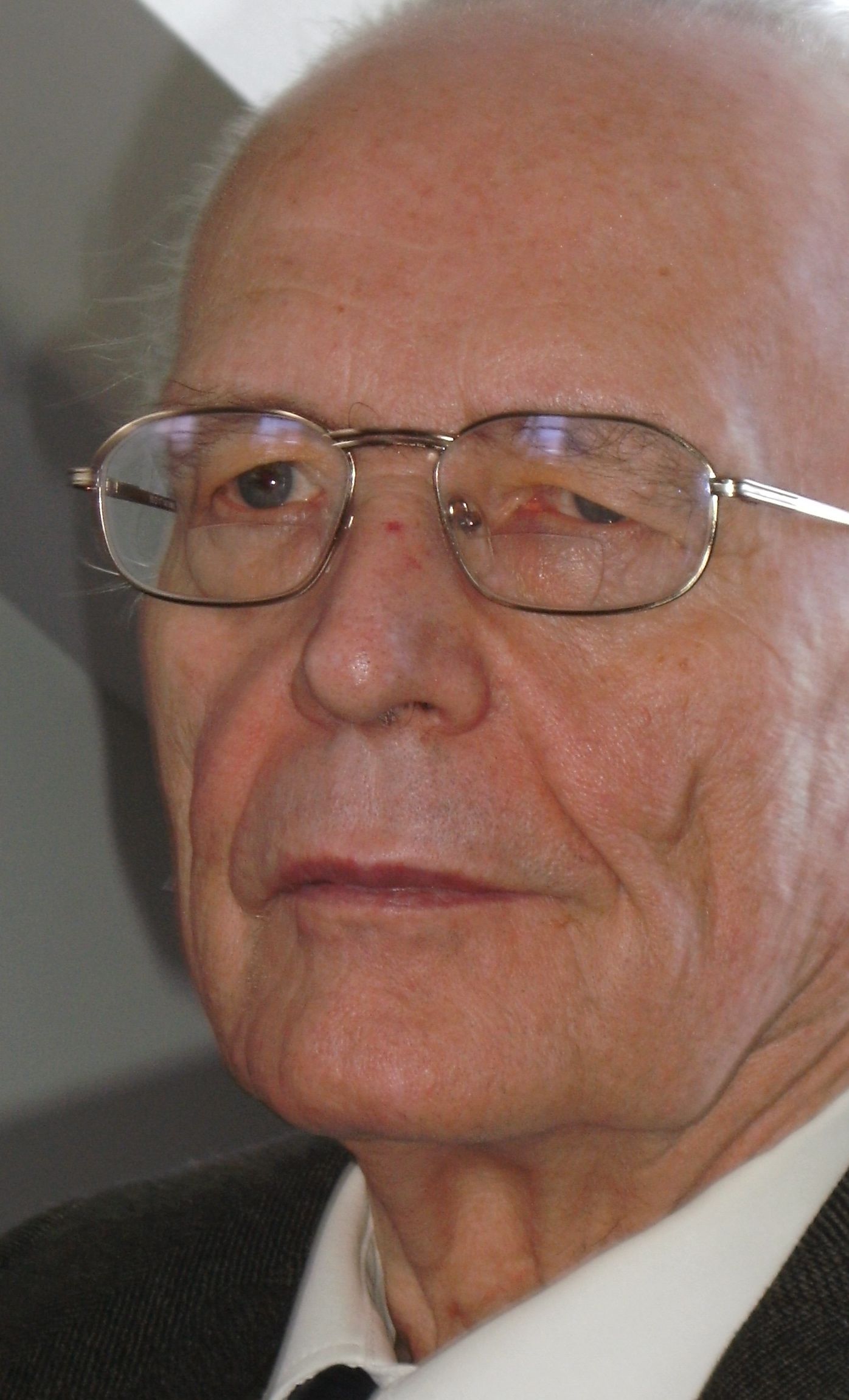 By now, this picture of Rupert Lay is already more than one year old. At the time, he stayed with us. Frau Dr. Eilika Emmerlich (who occasionally also writes for our IF blog), took advantage of the opportunity and presented her dissertational thesis titled „Eine kritische Theorie und ihre Praxis – untersucht an Werk und Wirken von Rupert Lay (A critical theory and its realization – a survey of the works and life of Rupert Lay)“.
Rupert Lay was always concerned with promoting life in all its dimensions among his friends and students. He adopted and emphasized the term “biophilie”. And thus, he taught many people in different stations of responsibility the important role of ethics when leading both in politics and business.
In 1995, we founded the Ronneburger Kreis in order to support the work of Rupert Lay and to transfer his works into the future.
On behalf of the Ronneburger Kreis, Bernd Sielaff (www.web-engineering.de) accompanied Rupert Lay during more than one decade and recorded his presentations for the Ronneburger Kreis on video tapes. Thus, many hours of high-quality material with and about Rupert were produced.
In order to present the works of Rupert Lay to as many people as possible, we now published a presentation in five installments titled “How the Management Contributes to the Creation of Value in an Enterprise” on youtube for the Ronneburger Kreis. Rupert Lay himself gave this presentation on September, 23rd, 2001 in Büdingen.
The presentation was edited by Friedrich Lehn (http://cinema.fhlconsult.de) and supported by us (IF-AGORA www.IF-AGORA.de – the knowledge market place).
Here the second part of the speech:
and all the links to all the five chapter:
Gedanken zu 9-11
Unternehmenskultur
Gerechtigkeit und Toleranz
Werteinstellungen, Erwartungen, Interessen & Bedürfnisse
Unternehmensstrukturen
All rights of the video are owned by the Ronneburger Kreis.
RMD
(Translated by Evelyn Gemkow)
Roland DürreFriday April 8th, 2011
Non-Smoker Protection in the South Sea
Here is another afterthought on my Travels in South-Sea
 Wherever I went in the South Sea, it was common standard that people did not smoke at places where you ate or where you were “in public”.
And the same was quite naturally also true outdoors. In public places, I found the occasional no-smoking sign. But those seemed to be there more because of us visitors than anyone else. Because you get the impression that no native on the many small islands ever smokes in public places (on a few other islands in the South Sea, however, the bad habit of chewing betel (Betelkauen) seems to be commonly accepted – which you can immediately see from the red spots on the ground).


